Source Automatic Platen Notebook Trimming Machine for Bookbinding
Compare 30 automatic platen notebook trimming machines from verified Chinese suppliers. These industrial cutters feature electric or mechanical drives, varying cutting sizes, and CE certification for efficient book trimming operations; compare the available evidence and request quotations based on your requirements.
Key considerations
Products List


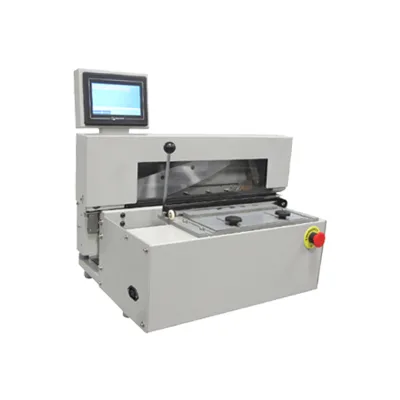


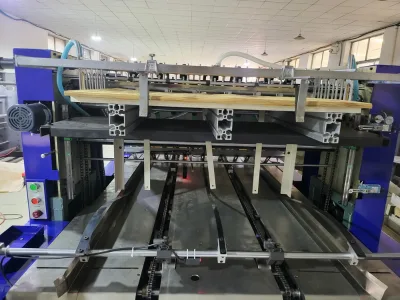
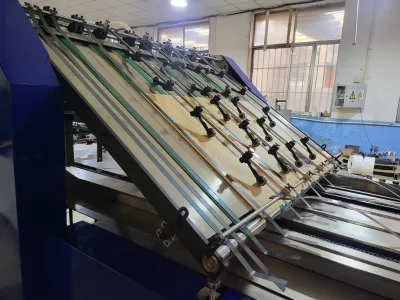
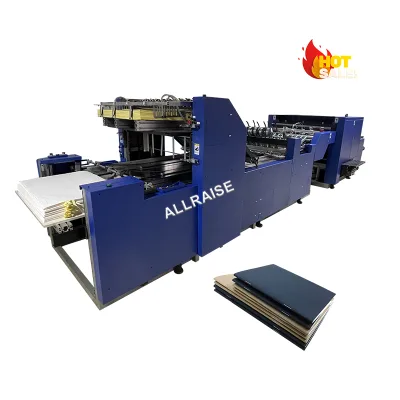
Comprehensive Sourcing Guide
Automatic Platen Notebook Trimming Machine Sourcing Guide
Procuring an automatic platen notebook trimming machine requires a clear understanding of the specific cutting geometry and automation level needed for your production line. These machines are primarily designed for the precise trimming of exercise books, notebooks, and similar paper products, ensuring clean edges and consistent dimensions. Buyers must evaluate whether the equipment supports single-sided or three-sided cutting operations, as this dictates the workflow integration and labor requirements. The transition from manual to automatic systems significantly impacts throughput, making it essential to align machine capabilities with current volume targets.
The market offers various models with differing automation grades, ranging from semi-automatic to fully computerized systems. Observations indicate that many available units are electric-driven and feature automatic operation, which reduces manual intervention and enhances operator safety. However, the specific configuration, such as the presence of a platen mechanism versus a rotary blade, varies by manufacturer. Buyers should prioritize machines that offer customization options to fit unique paper sizes or binding types, ensuring the equipment remains versatile across different product lines without requiring extensive retooling.
Product Scope and Observed Listing Signals
Current market listings reveal a diverse range of automatic trimming solutions, with observed prices spanning from low-cost entry-level units to high-end industrial systems. The minimum order quantity (MOQ) for many suppliers is set at one unit, allowing for flexible pilot purchases or small-scale production setups. This accessibility enables buyers to test machine performance before committing to larger orders. However, the wide price variance suggests significant differences in build quality, component origin, and included features, necessitating careful comparison of specifications rather than relying solely on price as an indicator of value.
Product attributes frequently highlight key operational parameters, such as motor power, cutting speed, and physical dimensions. For instance, some models feature a motor power of 5.5kw or 4kw, with cutting speeds reaching up to 28 cycles per minute. The maximum cutting size varies, with some machines supporting formats up to 380300mm, while others are optimized for standard A4 or letter sizes like 210297mm. Buyers should verify these specifications against their actual paper stock dimensions to avoid bottlenecks or wasted material due to size limitations.
Technical Specifications to Verify
When evaluating technical specifications, the blade material and cutting mechanism are critical for longevity and cut quality. Stainless steel blades are commonly observed, offering resistance to corrosion and maintaining sharpness over extended periods. Buyers must verify the minimum and maximum cutting sizes to ensure compatibility with their product range. For example, some machines support a minimum cutting size of 8080mm and a maximum of 380300mm, while others are limited to 210*297mm. Understanding these limits prevents purchasing equipment that cannot handle smaller or larger formats required for future product lines.
Air pressure requirements and motor power are also vital technical considerations. Many automatic trimmers operate with an air pressure of 0.6MPa, which must be supported by the facility’s compressed air infrastructure. Motor power ratings, such as 4kw or 5.5kw, indicate the machine’s capacity to handle thick stacks of paper or high-volume operations. Additionally, the maximum cutting height, often around 80mm to 100mm, determines the stack thickness the machine can process in a single cycle. Buyers should confirm these parameters to ensure the machine integrates smoothly with existing factory utilities and production workflows.
Compliance and Safety Documentation
Safety and regulatory compliance are non-negotiable aspects of industrial machinery procurement. Most observed listings indicate that machines carry CE certification, which is essential for operation within European markets and often serves as a baseline for global safety standards. Buyers must request valid certification documents and verify that the machine meets local electrical and mechanical safety regulations. This includes checking for proper grounding, emergency stop mechanisms, and protective guards around the cutting area to prevent operator injury during high-speed operations.
Documentation should also include detailed user manuals and maintenance guides in English or the local language. These documents are crucial for training operators and ensuring proper machine upkeep. Buyers should verify that the supplier provides comprehensive technical support, including troubleshooting guides and spare parts lists. Without adequate documentation, downtime can increase significantly, leading to production losses. Ensuring that all safety interlocks and operational warnings are clearly marked on the machine itself is also a key verification step during the inspection process.
Cost Drivers and Commercial Terms
Several factors influence the total cost of ownership for automatic platen notebook trimming machines. The weight and size of the machine, often ranging from 3000kg to 3500kg, impact shipping and installation costs. Buyers must account for freight charges, which can be substantial due to the heavy nature of these industrial units. Additionally, the packaging method, whether wooden cases or strong cartons, affects protection during transit and potential damage risks. Understanding these logistical costs helps in budgeting accurately and avoiding unexpected expenses upon delivery.
Commercial terms such as payment methods, warranty periods, and after-sales service agreements are critical components of the procurement deal. Buyers should negotiate clear terms regarding spare parts availability and response times for technical support. The condition of the machine, typically listed as new, should be verified to ensure it is not refurbished or used equipment sold as new. Clarifying these terms upfront prevents disputes and ensures that the buyer receives the expected level of support and protection for their investment.
Supplier Qualification and Quality Control
Supplier qualification is a crucial step in mitigating procurement risks. Buyers should verify the supplier’s manufacturing capabilities, including their production facilities and quality control processes. Since many suppliers are located in China, buyers may need to conduct factory audits or request third-party inspection reports to ensure manufacturing standards are met. Checking the supplier’s history and reputation in the industry can provide insights into their reliability and consistency in delivering high-quality machinery.
Quality control measures should be established before production begins. Buyers should define clear acceptance criteria for the machine’s performance, including cutting accuracy, speed consistency, and noise levels. It is advisable to include a pre-shipment inspection clause in the contract, allowing for verification of the machine’s condition and functionality before final payment. This step ensures that any defects or discrepancies are identified and resolved before the equipment leaves the supplier’s facility, reducing the risk of receiving non-conforming products.
Long-Term Procurement Checks
Long-term procurement success depends on the machine’s durability and the supplier’s ability to provide ongoing support. Buyers should assess the availability of spare parts, such as blades and motors, to minimize downtime during maintenance. The automatic grade of the machine, whether fully automatic or semi-automatic, affects the frequency of manual interventions and potential wear points. Understanding these factors helps in planning maintenance schedules and budgeting for future repairs.
Additionally, buyers should monitor the machine’s performance over time to identify any trends in efficiency or reliability. Regular maintenance checks, including lubrication and blade sharpening, are essential for extending the machine’s lifespan. Buyers should also stay informed about technological advancements in the industry, as newer models may offer improved features or energy efficiency. By maintaining a proactive approach to machine management, buyers can ensure sustained productivity and return on investment from their automatic platen notebook trimming machine.
FAQs
What are the maximum cutting dimensions for this automatic platen notebook trimming machine?
The maximum cutting size reaches 380 by 300 millimeters for larger formats. Some models support up to 420 by 300 millimeters. This capacity allows efficient processing of standard exercise books and notebooks. The machine handles various paper sizes within these limits effectively.
Can this automatic platen notebook trimming machine be customized for specific needs?
Yes, customization is available for this industrial cutter. Buyers can request adjustments to meet specific production requirements. The automatic grade ensures consistent performance while allowing tailored configurations. This flexibility supports diverse manufacturing workflows and unique notebook trimming specifications.
What is the motor power and weight of the automatic platen notebook trimming machine?
Motor power ranges from 4kw to 5.5kw depending on the model. The machine weight varies between 3000kg and 3500kg. These specifications ensure robust operation for heavy-duty cutting tasks. The electric driven type provides reliable power for continuous industrial use.
Does the automatic platen notebook trimming machine have CE certification?
Yes, the machine holds CE certification for safety and compliance. This certification confirms adherence to relevant European standards. Buyers can trust the equipment meets required industrial safety protocols. The new condition and automatic features further enhance operational reliability.
How fast does the automatic platen notebook trimming machine cut?
The maximum cutting speed is 28 times per minute. This cycle rate ensures efficient processing for notebook trimming operations. The automatic function maintains consistent speed throughout the workflow. This performance level supports high-volume production demands effectively.
What is the minimum cutting height for the automatic platen notebook trimming machine?
The minimum cutting height is 4mm for some models. Other variants support a minimum of 18mm. These options allow precise trimming for thin or thick materials. The machine adjusts to handle various notebook thicknesses accurately.